
Oral Pathology
Occasionally, abnormal tissue can grow on the lips, gums, tongue, or in the bone of the jaws. When your general dentist notices any abnormal tissue in the sites, you will be referred to Dr. Burns for further evaluation of the area.
In some instances, Dr. Burns can diagnose the abnormality by examination and history. In other cases, Dr. Burns will recommend removing a piece of the tissue to be sent to a laboratory for microscopic evaluation in order to determine a diagnosis. This procedure is called a biopsy.
How is a Biopsy Performed?
If the abnormal tissue is small, Dr. Burns may be able to remove the entire area during the biopsy. Usually, however, a small section of the tissue is removed in the biopsy procedure. This small section is placed in a sterile vial and mailed to a laboratory for microscopic examination. The laboratory will confer with Dr. Burns on their findings, and a diagnosis is determined.
What Should I expect After Having a Biopsy Done?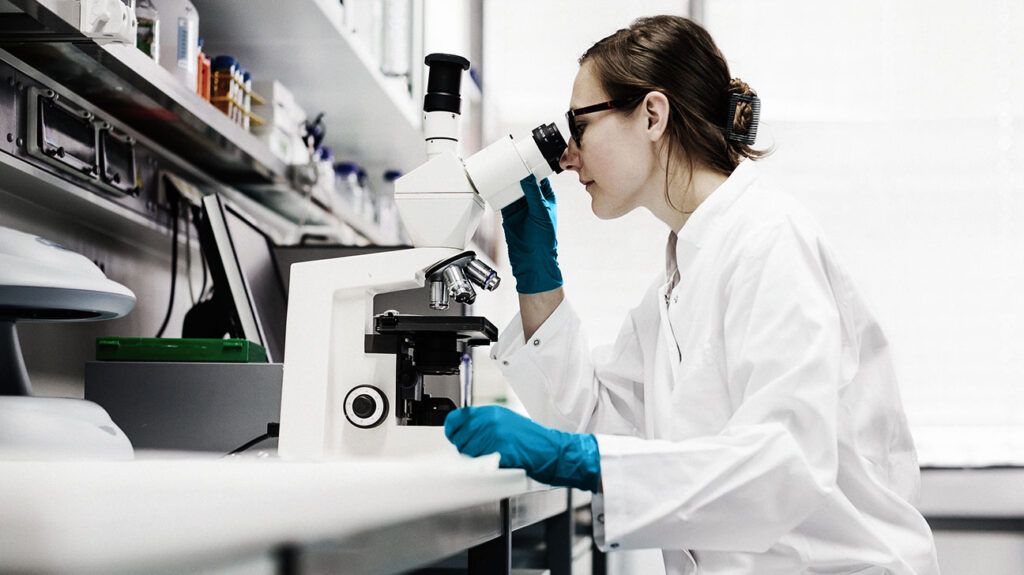
In general, the area in your mouth where a biopsy specimen was taken is not especially uncomfortable after the procedure. You may feel mild discomfort and have slight bleeding and oozing for a few hours. Please refer to our surgical instructions page After Biopsy for more detailed instructions.
The laboratory will send their findings to Dr. Burns within two weeks of receiving the biopsy specimen. You will return to Dr. Burns for a consultation visit to discuss the findings and determine if any further treatment is necessary.